
Steam-Based Ice Dam Removal
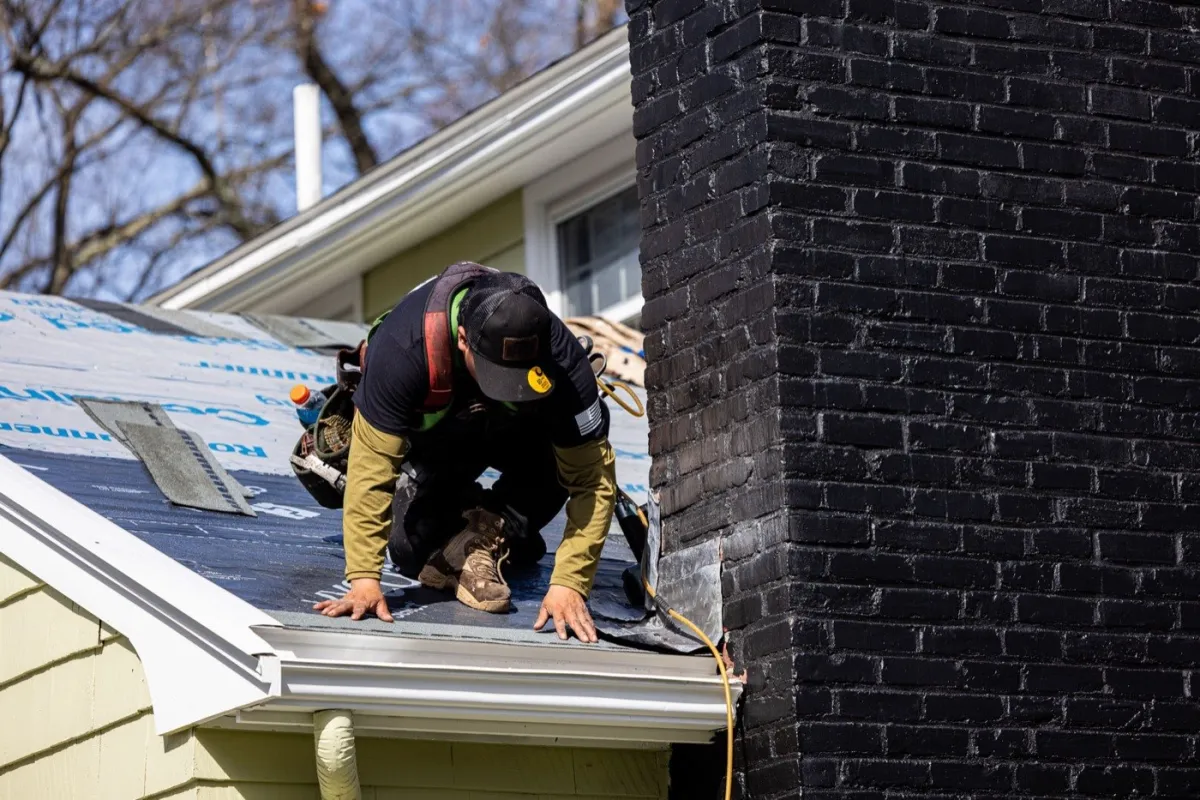
Low-pressure steam opens a drain channel through the ice. No hatchet, no rock salt, no broken shingles.
When an ice dam builds along a Wilmington roof edge, the water behind it backs up under the shingles and into a ceiling. We clear dams with low-pressure steam, take the extra snow off the roof, and then find out why the house is making ice in the first place. From Wilmington Center to Silver Lake and North Wilmington, we're the next town over, about ten minutes from our Tewksbury shop. 48-hour response all winter, and the assessment is free.
4.8 · 81 Google Reviews 48-Hour Response Licensed & Insured
Free, no-obligation. We reply within 24 hours.
48Hour
Response
Snow doesn't keep business hours, and neither do we. We hold a 48-hour response on ice dam and roof snow calls in Wilmington all winter long, and the look before any work starts is free.
Wilmington shares a border with Tewksbury, and our shop is about ten minutes away. We've done roofing, siding, and gutter work in Wilmington, and the houses here come in two main generations that ice up for different reasons. This page covers both. For the full rundown on ice dams across every town we serve, see our ice dam & snow removal overview.
Census figures put the median Wilmington home at a year built of 1979, and the town grew in two big waves. The 1950s added about one in six of today's homes, a lot of them capes and ranches. The 1990s added more than any other decade, close to one in five. About half the town's homes were built before 1980.
On an older cape, the upstairs rooms sit tight under the roof. Sloped ceilings and short kneewalls leave little space for insulation or for air to move, so heat from those bedrooms goes straight into the roof deck. Snow melts over the warm rooms, runs down to the cold overhang, and freezes there. A ranch from the same years usually has a long eave line and, unless someone has added to it, an attic insulated to a 1950s standard. Our ice dam cutaway shows where that heat gets out.
A 1990s house was built to a tighter standard, and its roof is often the bigger puzzle. If yours has dormers, valleys, or a lower roof that meets a taller wall, snow drifts into those corners and meltwater runs down the valleys, and that's where the dam forms. A 1990s roof still on its original shingles is between 27 and 36 years old, so an ice dam leak is often the first sign it's near the end.
Heat from the house warms the upper roof and melts the snow on it. The water runs down until it reaches the overhang, where there's no heat underneath, and freezes again. Each thaw adds a layer, until a ridge of ice sits along the eave with a pool of water trapped behind it. Shingles are made to shed water running downhill, and standing water works its way up under the laps and through the nail holes, into the sheathing and the insulation. Inside, it shows up as a ceiling stain or wet window trim, often a few feet from the dam itself. If water is already in the house, our roof repair in Wilmington page covers tracing and fixing the leak.
The Massachusetts building code's snow-load table lists Wilmington at 50 pounds per square foot, the same as Tewksbury and every other town we serve. A properly framed roof carries a normal winter without complaint, and the trouble comes after a big storm or a run of them. In the February 2013 blizzard, a Wilmington resident reported 29 inches of snow to the National Weather Service. Snow like that drifts into valleys and piles onto lower roofs below taller ones, and an ice dam at the eave adds its weight to the same edge. If the roof sags or creaks, or doors and windows upstairs start to stick, call us. If the roof itself is worn out, our roof replacement in Wilmington page covers that job. For the signs a roof is struggling, see how much snow is too much for a roof.
We use low-pressure steam. It cuts a channel through the dam down to the shingles so the trapped water can drain, without chipping shingles, stripping granules, or pushing more water underneath. A hatchet, a pick, or a bag of rock salt can do all three. Steam takes longer, and on an asphalt roof it's the only method we use.
When snow is adding weight or feeding the next dam, we clear the eaves, the valleys, and the spots where it drifts, using roof-safe tools. We shave it down and leave a couple of inches on the shingles. The state's Department of Public Safety gives homeowners the same advice, because scraping a roof clean puts the shingles at risk.
Steaming a dam off handles this winter, and the work that stops next winter's is best done when it's warm out. On a Wilmington cape or ranch, we start in the attic: how much insulation is up there, and whether air can move from the soffits to the ridge. On a 1990s house, we look hard at the valleys and the flashing where roofs meet walls. Gutters matter too, since a clogged gutter holds water right where the dam wants to grow. Our seamless gutters in Wilmington page covers that side.
Massachusetts requires an ice barrier at every eave: ice-and-water shield from the lowest edge to at least 24 inches inside the exterior wall line, or 36 inches up the slope on roofs pitched 8:12 or steeper. Every roof we install has it. If an ice dam has finished off an older roof, the re-roof permit comes from the Building Inspector's office at Wilmington Town Hall, and we put the whole package together, asbestos document included.
Low-pressure steam opens a drain channel through the ice. No hatchet, no rock salt, no broken shingles.
We take the weight off the eaves and valleys and leave the next dam less snow to feed on.
If water's already inside, we find where it got in and fix that too.
Meltwater needs a way off the roof, so we clear the gutters and downspouts it drains through.
On Wilmington's older capes and ranches, the attic is where repeat dams usually start. We check it on every visit.
Active leak, or a roof groaning under snow? 48-hour response on every winter call.
A dam that comes back to the same corner every winter is pointing at the attic, the gutters, or the roof itself. We'll tell you which, whether you're near Silver Lake, in Wilmington Center, or up in North Wilmington.
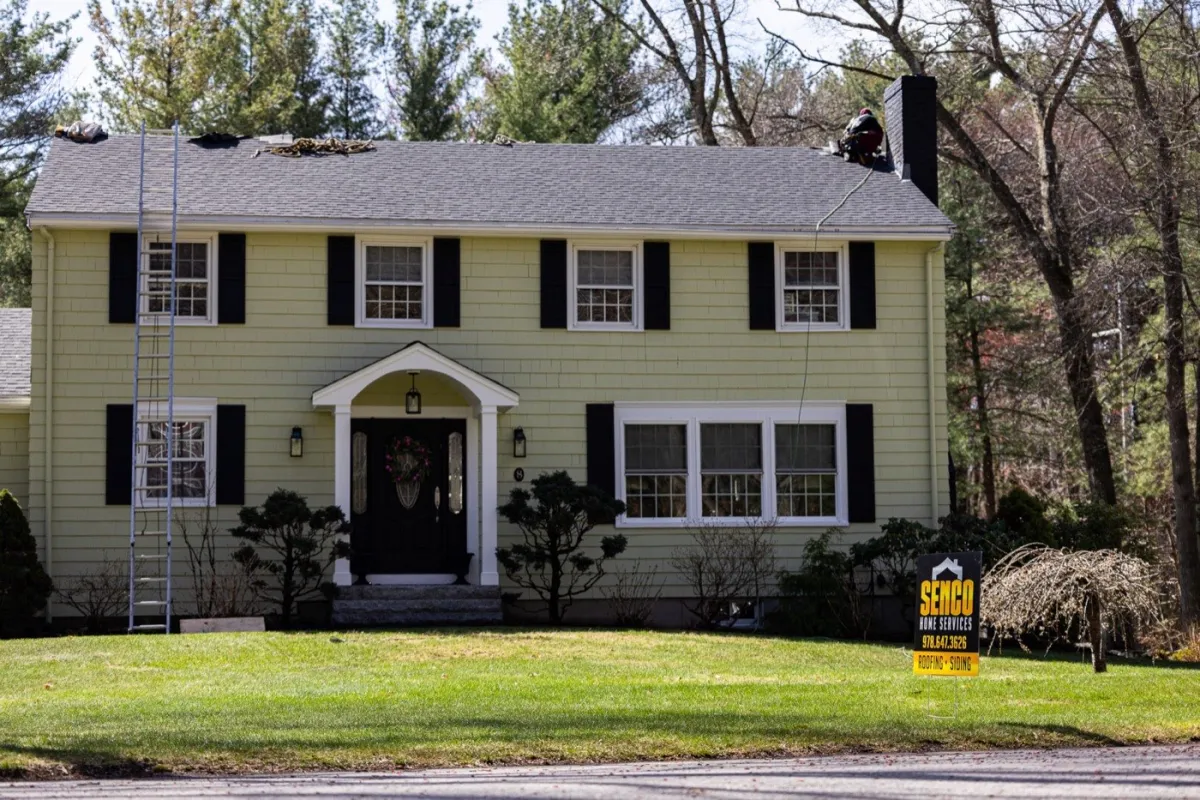
Ice dam removal goes wrong when someone chips at the ice or salts it, and the roof pays for it in spring. Our crews are CertainTeed Shingle Master Certified, licensed and insured, and we've run jobs out of our Tewksbury shop for seven years. Wilmington is about ten minutes away, and we've already done roofing, siding, and gutter work in town.
· 81 Google Reviews
That's our current Google rating across Tewksbury, Wilmington, and the towns around them. These are real, unedited Google reviews from across our service area. We don't claim they're all from Wilmington, and we'll add Wilmington reviews here as we collect them.
We had an excellent experience with Senco. Chris was amazing! He was professional, patient, explained things clearly and answered all our questions. He always returned our phone inquiries. He and his workers went above and beyond our expectations. His crew replaced our roof in one day. Clean up was great. We also had Senco remove the ice dams prior to having the roof replaced. Once again, Senco's pricing was fair, the crew was hard working and responsive to any concerns we may have had. I highly recommend this company and would use them again.Elaine Levine · Google Review
Senco did many homes in my neighborhood. I recognized their competence, honesty and quality right away and knew I had to have the Senco team on my roof too. Very satisfied with all aspects of the demolition and installation which was quite complex. Replaced facia boards with AZEK, new gutters, and a new roof. Thanks again Senco!! Excellent job!!Jim O. · Google Review
Owner, Chris, was extremely knowledgeable and very professional. He always responded promptly to our questions and we always felt we were important to him. His crew worked so great together, like they never had to ask each other for anything, they just knew what was next. The job was started earlier than planned and everything was done above and beyond what one would expect. We would, and have, already recommended Senco Home Services to other homeowners and look forward to having him back to replace our old windows. Thank you, Chris, for making this an easy decision for us and for providing quality workmanship. Stephen and Melissa Spinosa in BurlingtonJenna Spinosa · Google Review
One ice dam can be a hard winter. The same spot damming up year after year usually means a gutter, insulation, or ventilation problem, or a roof that's close to done. On Wilmington's 1950s houses we start in the attic, and on the 1990s ones we start with the valleys and the age of the shingles. Either way, we look at the whole roof before we leave.
You can finance prevention work too. See your financing options →
· 81 Google Reviews · 48-hour response, all winter · Free, no-obligation. We reply within 24 hours.
Wilmington ice dam questions
Because the cause is usually in the attic. About half of Wilmington's homes were built before 1980, and a house from the 1950s or 60s was insulated and vented to the standard of its day unless someone has upgraded it since. Heat leaks into the roof deck, melts the snow above the warm rooms, and the water freezes again at the cold eave. On a cape with bedrooms tucked under the roof, it happens right over the sloped ceilings. Steam clears this winter's dam, and fixing the attic is what keeps it from coming back.
More Wilmington homes went up in the 1990s than in any other decade, and newer doesn't mean immune. If your roof has dormers, valleys, or a lower section that meets a taller wall, snow drifts into those corners and meltwater runs down the valleys, which is where a dam forms on a newer house. A 1990s roof still on its original shingles is also between 27 and 36 years old, and an ice dam leak is often the first sign it's near the end.
For a re-roof, yes. Wilmington's building permits come from the Building Inspector's office at Town Hall, 146 Middlesex Avenue, Room 202 (978-658-4531). Every permit package needs an asbestos document, either a no-asbestos statement or a state asbestos notification form, plus the Treasurer's sign-off that the property's taxes are current. We pull the permit and put the package together for you.
Wilmington is the next town over, about ten minutes from our shop in Tewksbury. We hold a 48-hour response on ice dam and roof snow calls all winter. If water is coming through a ceiling, say so when you call and we'll move you up the list.
The Massachusetts building code's snow-load table lists Wilmington at 50 pounds per square foot of ground snow, the same as every town we serve. A well-framed roof handles a normal winter, and the risk comes from storms like the February 2013 blizzard, when a Wilmington resident reported 29 inches to the National Weather Service, and from snow that drifts into one valley or melts and refreezes on one section of roof. If a ceiling cracks, or doors and windows upstairs start to stick, call us.
That depends on your policy. Many homeowner's policies cover sudden water damage from an ice dam, such as a stained ceiling or wet insulation, and whether they pay for the removal itself varies by carrier. Call your insurer to check. If there's damage inside, we'll document what we find for your claim.
Our winter crews clear ice dams and heavy roof snow in Wilmington and across Northeastern Massachusetts. If your town isn't on the list, call and ask. For siding, gutters, decks, and everything else we do in town, see our Wilmington location page.
Emergency winter work and the follow-up repairs are financing-eligible. See your financing options →