
Steam Ice Dam Removal
Low-pressure steam opens a drain channel through the dam, with no chipping and no salt.
More than a quarter of Reading's homes were built before 1940, and an older roof over a warm attic is where ice dams start. We steam the ice off without touching the shingles, clear heavy roof snow, and fix the attic, vent, or gutter problem behind it so it doesn't come back. We answer winter calls within 48 hours, and the assessment is free.
4.8 · 81 Google Reviews 48-Hour Response Licensed & Insured
Free, no-obligation, and we reply within 24 hours.
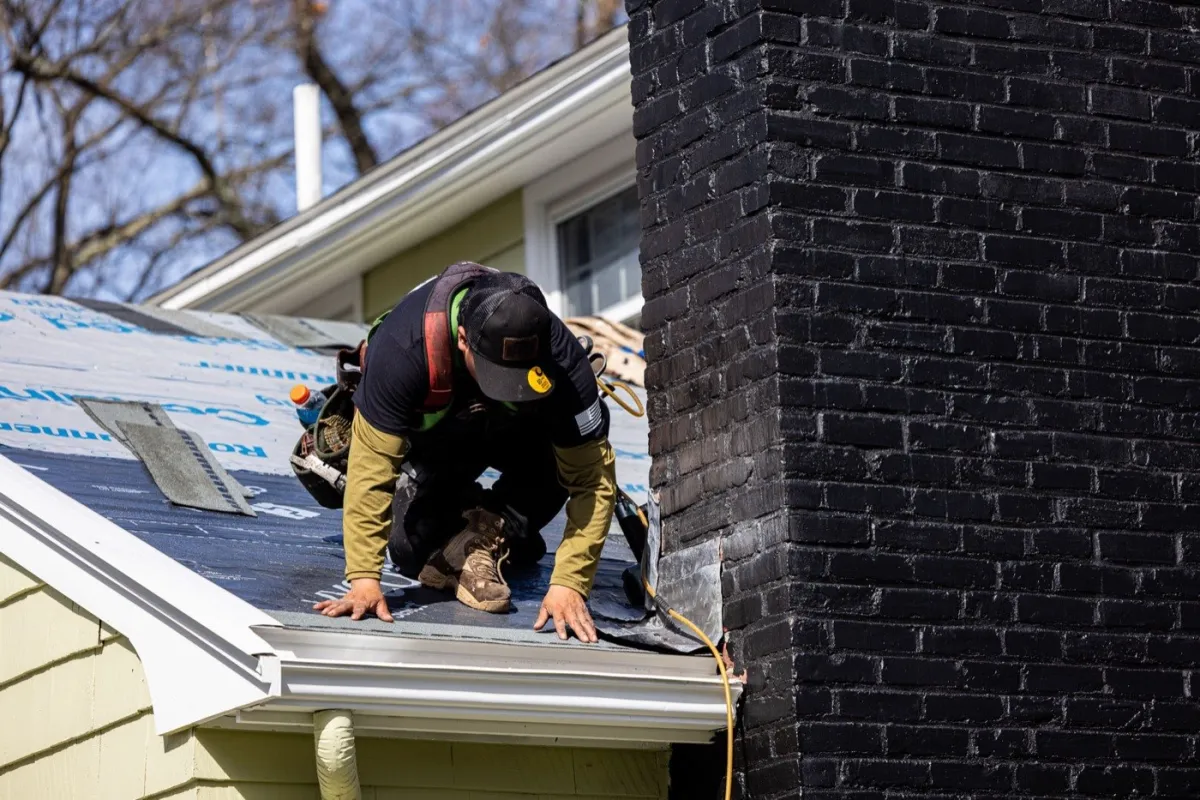
48Hour
Response
We hold a 48-hour response on ice dam and roof snow calls across Reading and the towns around our Tewksbury shop, all winter, with a free look at the roof before any work starts.
If you're searching for ice dam removal or roof snow removal in Reading, MA (01867), here's how we handle it. Our shop is in Tewksbury, about 10 miles away with Wilmington in between, and we've replaced roofs in Reading. In winter we steam ice dams off and clear roof snow. In the off-season we do the attic, ventilation, and ice-barrier work that prevents the next one. This page covers what's specific to Reading houses. For the overview across our whole service area, see our ice dam and roof snow removal overview.
On a roof with a cold attic under it, snow sits until the weather melts it. When heat from the house gets into the attic, the snow melts from underneath instead. The water slides down to the overhang, meets a cold edge with nothing warm below it, and freezes. That ridge of ice grows every day, and the next melt backs up behind it and finds its way under the shingle laps. From there it soaks the decking and the insulation and comes out inside as a ceiling stain or water at a window trim. If that's already happening, our Reading roof repair crew takes care of the leak. Our ice dam cutaway walks through it one layer at a time.
More than a quarter of Reading's homes were built before 1940, and the town hasn't built many new houses since 2000, so most roofs here sit on established homes. A house that age went up before attic insulation was standard. Whatever it has was put in later, around old framing, chimneys, and kneewalls, and the gaps it leaves are where heat gets into the roof deck.
An older roof can also hide things under the shingles: board sheathing instead of plywood, a second layer, or soft wood at the eaves where water has backed up in past winters. An ice dam on a roof like that does its damage out of sight, so we check the deck and the attic, not only the ice.
The state code puts Reading at a 50 psf ground snow load, the same as every town we serve, and a sound roof handles an ordinary winter. Reading has seen what a hard one can do. In February 2011, with police taking calls about roofs under snow, one Reading house's roof came down while its owners were outside checking it. The first thing they'd noticed was a sag. Nobody was hurt. Weight piles up where snow drifts into valleys and against walls, and where a dam at the eave adds ice to the same edge. If you see a sag or hear the roof creaking, call us. For a roof that's reached the end of its run, our Reading roof replacement page explains how we replace it. Our guide to how much snow a roof can hold covers the warning signs.
West Street is where today's Reading was first settled, and it's the town's local historic district. Steam removal changes nothing on the house. The Historic District Commission's guidelines also exempt gutters, downspouts, and ordinary maintenance and repair from review. Replacing a roof is a different matter: roofing needs a certificate from the Commission before the Building Inspector can issue the permit, and the guidelines ask for new roofing that matches the old in composition, color, size, shape, and texture where possible. After an application goes in, the Commission decides within 14 days whether it needs a hearing and holds any hearing within 45 days, so we plan a West Street re-roof around that clock.
Low-pressure steam, every time. It melts a drain channel through the dam down to the shingle surface, and the trapped water runs off through it. Nothing gets chipped, pried, or salted. Ice bonds to shingles, so a hammer or hatchet pulls granules and tabs off with it, and rock salt corrodes shingles, gutters, and flashing. Steam takes longer, and on an asphalt roof over an older Reading house it's the only way we'll do it.
If the snow is heavy or feeding the dam, we clear the eaves, valleys, and drifted sections with roof-safe tools, and we never drag a shovel across the shingles. The point is to take weight off and leave the next dam with less to work with.
The fix for a repeat dam is off-season work. We check the attic insulation, look for warm air leaking up around chimneys and the attic hatch, and make sure the soffit vents aren't buried. A roof deck that stays evenly cold gives the snow no reason to melt from below.
Massachusetts requires an ice barrier at every eave, from the edge to at least 24 inches inside the exterior wall line, or 36 inches along the slope on roofs pitched 8:12 or steeper, and it goes on every roof we replace in Reading. Re-roofing in Reading takes a building permit, issued and posted at the house before work starts. We file it with the Building Division at Town Hall, 16 Lowell Street. Clear gutters help too; see our Reading gutters page for that side of it.
Low-pressure steam opens a drain channel through the dam, with no chipping and no salt.
We take weight off the eaves, valleys, and drifts, and leave the next dam less to feed on.
If water got inside, we trace where it came in and repair it, along with the damage.
Frozen gutters hold meltwater right at the eave. We clear them so it can drain.
Older Reading attics were insulated after the fact, and the gaps let heat into the roof. We check on every visit.
We file the Reading re-roof permit and help with the Historic District Commission certificate when a fix needs one.
A dam that comes back to the same spot each winter has a cause underneath: attic heat, a blocked vent, or a gutter that holds water. We'll tell you which, whether you're near the Common, on West Street, or anywhere else in town.
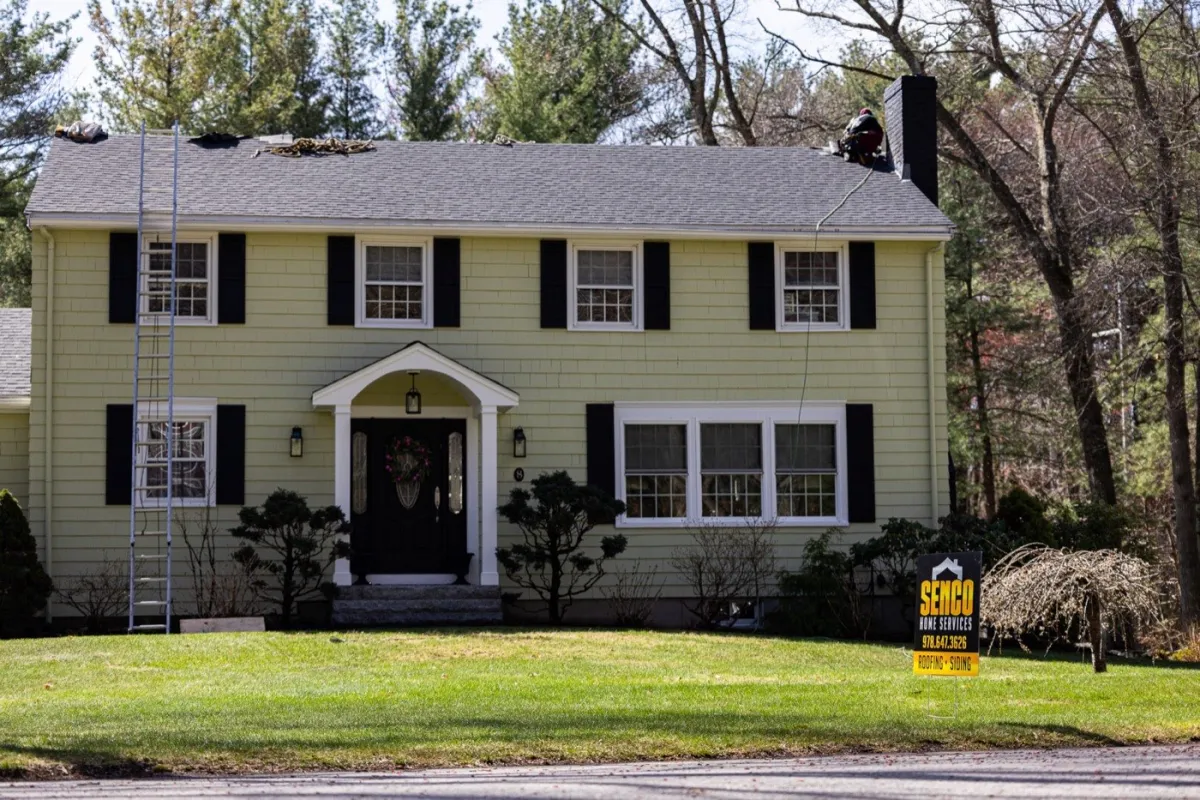
A rushed ice dam job leaves you with new leaks: cracked shingles from a chisel, corroded flashing from salt. Our crews are CertainTeed Shingle Master Certified, licensed, and insured, and they come from our Tewksbury shop, about 16 minutes from Reading. We've replaced roofs in Reading, and we bring the same standards to a winter call.
· 81 Google Reviews
That's our real, current rating across Tewksbury, Reading, and the surrounding towns. The reviews below are real, unedited Google reviews from across our service area. We don't claim they're from Reading, and we'll add Reading reviews here as we collect them. Elaine Levine's mentions the ice dams we removed before her roof was replaced.
We had an excellent experience with Senco. Chris was amazing! He was professional, patient, explained things clearly and answered all our questions. He always returned our phone inquiries. He and his workers went above and beyond our expectations. His crew replaced our roof in one day. Clean up was great. We also had Senco remove the ice dams prior to having the roof replaced. Once again, Senco's pricing was fair, the crew was hard working and responsive to any concerns we may have had. I highly recommend this company and would use them again.Elaine Levine · Google Review
Senco did many homes in my neighborhood. I recognized their competence, honesty and quality right away and knew I had to have the Senco team on my roof too. Very satisfied with all aspects of the demolition and installation which was quite complex. Replaced facia boards with AZEK, new gutters, and a new roof. Thanks again Senco!! Excellent job!!Jim O. · Google Review
Owner, Chris, was extremely knowledgeable and very professional. He always responded promptly to our questions and we always felt we were important to him. His crew worked so great together, like they never had to ask each other for anything, they just knew what was next. The job was started earlier than planned and everything was done above and beyond what one would expect. We would, and have, already recommended Senco Home Services to other homeowners and look forward to having him back to replace our old windows. Thank you, Chris, for making this an easy decision for us and for providing quality workmanship. Stephen and Melissa Spinosa in BurlingtonJenna Spinosa · Google Review
One dam can be the weather. The same spot every year points to something you can fix. Usually it's heat getting into the attic, and sometimes it's a vent that can't breathe, a gutter pitched the wrong way, or a roof that's worn out. On Reading's older homes the attic is our first stop, and we look at the whole roof before we melt anything.
Prevention work is financing-eligible too: see your financing options →
· 81 Google Reviews · 48-hour response, all winter · Free, no-obligation, and we reply within 24 hours.
Reading ice dam & roof snow questions
Often, yes. More than a quarter of Reading's homes were built before 1940, before attic insulation was standard, so whatever insulation they have went in later and usually leaves gaps. Heat escapes through them, melts the snow from underneath, and the water refreezes at the cold eave. We check the attic on every assessment, since that's what decides whether the dam comes back.
Yes. Reading's residential checklist says a building permit has to be issued and posted at the property before work starts, and the roofing application asks how many squares the job covers. It goes to the Building Division at Town Hall, 16 Lowell Street (781-942-6613), and we file it as part of the job.
Yes. Steam removal doesn't change anything on the house, and the Historic District Commission's guidelines exempt gutters, downspouts, and ordinary maintenance and repair from review. Replacing the roof or changing materials is different. That needs the Commission's certificate before the Building Inspector can issue the permit, and we'll help you put the application together.
Massachusetts code lists Reading at a 50 psf ground snow load, the same as every town we serve. Trouble starts when snow drifts into a valley or against a wall and a dam adds ice at the eave, which puts extra weight on one section. A sag in the roofline is the sign to call.
We hold a 48-hour response on ice dam and roof snow calls all winter, and Reading is about 10 miles from our Tewksbury shop. If it's already dripping inside, tell whoever answers, and we'll put you first.
It depends on the policy. Many homeowner's policies cover sudden water damage from an ice dam, like a stained ceiling or wet insulation, but coverage for the removal itself varies by carrier. Call your insurer to confirm what yours covers. If there's damage inside, we'll document what we find to support the claim.
Reading is about 10 miles from our Tewksbury shop, through Wilmington, and the same winter crews serve every town on the list below. For gutters, siding, and our other services in town, see our Reading location page.
Emergency winter work and the repairs that follow are financing-eligible. See your financing options →